A backyard without a walkway is just a yard. But a backyard with a walkway? That is a destination.
Paths are the circulatory system of your garden. They tell you where to go. They lead you from the back door to the fire pit, from the patio to the vegetable patch, or simply on a wandering journey through the flowers. Without them, you are just walking on grass (and probably wearing a muddy trail in it).
As Shiny Aura, I believe backyard paths should be less formal than front walkways. This is your private space. You can be more whimsical, more rustic, and more creative. Whether you need a practical mud-free route or a romantic strolling path, here are 8 backyard walkway ideas to tie your landscape together.
In this article, we'll cover
1. The Classic Stepping Stone Path
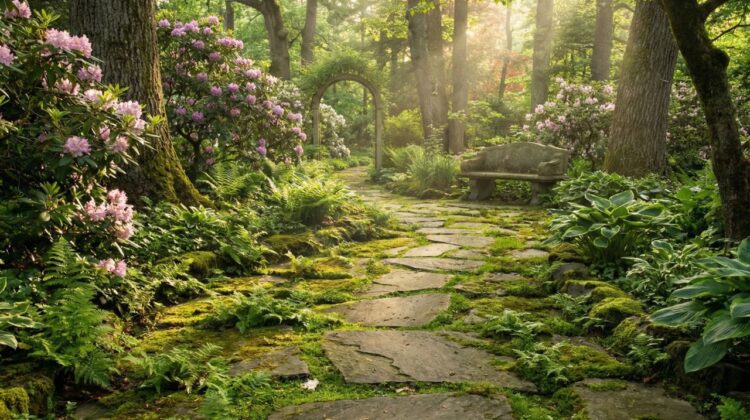
This is the “Little Black Dress” of garden paths: simple, elegant, and fits every occasion. Using large, flat stones (flagstone or slate) placed directly into the grass or mulch creates a casual, inviting look.
Shiny’s Design Tip: Don’t place them too far apart! A common mistake is spacing stones for a giant’s stride. Place them so your foot lands naturally on the center of each stone. Let grass or moss grow between them to soften the edges.
2. The Crunchy Gravel Path
There is a reason the French love gravel paths. They are chic, permeable (no puddles!), and satisfy the senses with that distinctive crunch sound underfoot.
The Look: Use crushed granite or pea gravel. Line the edges with steel or brick to keep the stones from migrating into your flower beds. This style works beautifully for winding, meandering paths that curve through a cottage garden.
3. The Wooden Boardwalk
Does your backyard get soggy after a rainstorm? A raised wooden boardwalk is the perfect solution. By lifting the path a few inches off the ground, you keep your shoes dry and protect the soil underneath.
The Aesthetic: Use weather-resistant cedar or pressure-treated pine. Let it weather to a soft silvery-grey to blend in with nature. It adds a wonderful “beach house” or “nature preserve” vibe to your yard.
4. Recycled Brick Patterns
Old, reclaimed bricks add instant history and warmth. Unlike new pavers, old bricks have chipped edges and color variations that look stunning in a rustic backyard.
Shiny’s Tip: You don’t need mortar. Lay them dry on a bed of sand. Experiment with patterns like Basketweave or Running Bond. If a brick cracks later, you can simply lift it out and replace it.
5. The Modern “Grid” Pavers
For a contemporary home, you want clean lines. Use large, square concrete pavers (24×24 inches) and space them out in a strict grid pattern.
The Gap: Fill the 4-inch gaps between the pavers with black river rocks or low-growing succulents. The contrast between the smooth, light concrete and the dark, textured filling is architectural and striking.
6. Mulch and Timber Steps
If your backyard is sloped or wooded, concrete can look too harsh. Instead, use landscape timbers to build shallow steps and fill the treads with wood mulch or bark chips.
Why it works: It is soft underfoot and blends seamlessly into a woodland setting. It is also the most budget-friendly option on this list. Over time, the mulch breaks down and feeds the soil, so you just top it up every spring.
7. Pebble Mosaics
Turn your path into a piece of art. By embedding smooth river stones sideways into wet mortar, you can create swirls, flowers, or wave patterns.
Best For: Small, focal-point paths—perhaps leading to a secret bench or a fountain. It is labor-intensive to create, but it creates a magical “Secret Garden” atmosphere that feels incredibly personal.
8. The “Mow Strip” Path
Sometimes you just need a practical path to get the wheelbarrow from the shed to the garden. A “mow strip” is a flush concrete or paver path that is level with the lawn.
The Benefit: You can run the lawnmower right over it—no edging required! It keeps your feet dry while working in the yard but doesn’t distract visually from the greenery.
Lighting Your Journey
A backyard path isn’t finished until it is lit. Since this is a private space, avoid harsh floodlights.
Ideas: Use low-voltage path lights that cast a pool of light downward onto the stones (not up into your eyes). Or, hide solar spotlights in the bushes to illuminate the path indirectly (“moonlighting”). It makes the journey to the fire pit safe and enchanting.
Final Thoughts
Your backyard walkway is an invitation to explore. It says, “Come see what is around the corner.” Whether you choose the soft silence of mulch or the solid reassurance of stone, build a path that makes you want to take a walk.