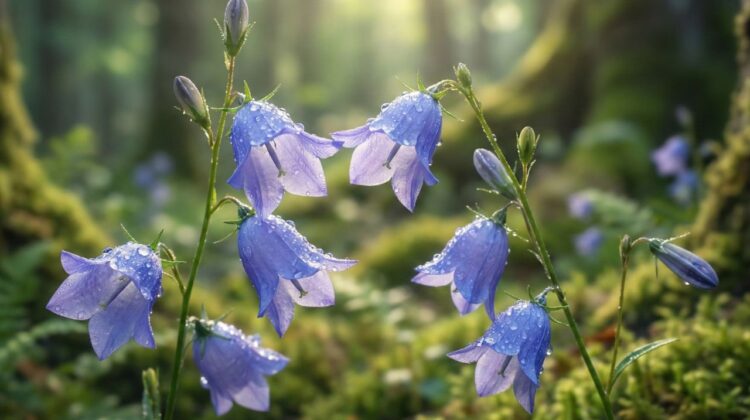
In the quiet corners of the garden, where the shadows play and the moss grows thick, you will often find the humble Bellflower. With its nodding head and perfect bell shape, it looks like it was crafted by the hands of fairies.
And if you believe the old folklore, perhaps it was.
Known scientifically as Campanula (which literally translates to “little bell” in Latin), this flower is a staple of the classic English Cottage Garden. It is not showy like a Dahlia or demanding like a Rose. Instead, it offers a gentle, steady beauty. But do not let its modesty fool you. In the world of flower symbolism, the Bellflower carries a message that we all need to hear a little more often: Gratitude.
Here at Morflora, we believe that a garden without gratitude is just a patch of dirt. Let’s ring the bells and explore the deep, enchanting aura of the Bellflower.
In this article, we'll cover
The Botanical Identity: The “Little Bell”
Before we dive into the magic, let’s get to know the plant. The Bellflower belongs to the genus Campanula. It is a massive family with over 500 species, ranging from the tiny, creeping varieties that hug the ground (perfect for rock gardens) to the tall, majestic spikes that sway in the wind.
Whether they are the towering Campanula persicifolia or the cascading Campanula portenschlagiana, they all share that signature cup-or-bell shape that makes them instantly recognizable. They bloom profusely in shades of purple, violet, blue, pink, and white, bringing a cool, calming palette to any landscape.
Gratitude and Constancy
If you want to say “Thank You” without writing a card, give a pot of Bellflowers. The primary meaning of this bloom is Gratitude.
1. The Attitude of Gratitude
In the Victorian Language of Flowers, sending a bouquet of Campanulas was a way to tell someone, “I appreciate you.” It wasn’t necessarily a romantic gesture, but rather an acknowledgment of kindness. It is the perfect flower to give to a mentor, a helpful neighbor, or a friend who has supported you through a tough time.
2. Constancy and Support
Because many varieties of Bellflowers are perennials (returning year after year with little fuss), they have also come to symbolize Constancy and Everlasting Love. They represent the kind of love or friendship that doesn’t need constant attention to survive; it is sturdy, reliable, and always there when you look for it.
The Magic: Fairy Folklore and Myths
This is my favorite part of the Bellflower’s story. If you love the “Fairy Garden” trend (which I know many of our Pinterest followers do!), the Bellflower is an absolute must-have.
According to European folklore, the Bellflower is the flower of the fae folk.
- The Fairy Thimble: In some legends, the flowers are called “fairy thimbles.” It is said that fairies use the blossoms as hats or skirts.
- The Trap: A more mischievous myth warns that if you fall asleep in a patch of Bellflowers, the fairies might trap you there forever. Why? Because the flowers ring a silent music that enchants humans, making them forget their way home.
- The Signal: Some believe that when the wind blows and the Bellflowers nod, the fairies are being summoned to a meeting.
Planting Bellflowers is essentially putting out a “Welcome” sign for the magical creatures of the garden.
Color Meanings: From Spirit to Purity
While the shape defines the flower, the color defines the nuance of its message.
Blue and Purple Bellflowers
This is the most common color, and it connects deeply to Spirituality and Wisdom. The color blue in nature is rare and often links to the throat chakra (communication). A blue Bellflower says, “I am listening, and I am grateful for your wisdom.”
White Bellflowers
White varieties, like the ‘White Clips’, symbolize Purity, Humility, and Delicacy. They are often used in wedding bouquets to represent the humble, pure love between two people who are grateful to have found one another.
The Style Guide: Designing a Storybook Garden
As Shiny Aura, I don’t just want you to know the meaning; I want you to feel it in your space. Here is how to style Bellflowers to maximize their charming aura.
1. The Rock Garden (The “Spill” Effect)
For the low-growing varieties (like Serbian Bellflower), the best styling tip is to let them spill.
- The Look: Plant them in the crevices of a stone wall or along the edge of a gravel path.
- Why it works: The contrast between the hard, grey stone and the soft, purple waves of flowers creates a balance of “Hard vs. Soft.” It looks effortless, like nature just decided to paint your walkway. This is perfect for those who love the Rustic aesthetic.
2. The Fairy Garden Corner
Since we know they attract fairies, why not build a dedicated space?
- The Look: Create a small nook under a tree. Plant Campanula alongside ferns and hostas. Add a small driftwood bench or a tiny fairy door at the base of the tree.
- Why it works: The nodding heads of the Bellflowers create a sense of movement and magic. It turns a dark, shady corner into a place of wonder for children (and adults!).
3. The Cottage Border
For the tall varieties, use them as a backdrop.
- The Look: Mix tall Blue Bellflowers with pink Roses and white Daisies.
- Why it works: This creates the classic English Cottage Garden look—wild, overflowing, and incredibly romantic. The vertical spikes of the Bellflower add height and texture, preventing the flower bed from looking too flat.
Care Tips: Keeping the Bells Ringing
Bellflowers are generous plants. They give much and ask for little (fitting for a symbol of gratitude, isn’t it?).
- Sun and Shade: Most varieties love the sun but appreciate a little shade in the hot afternoon. If you live in a very hot climate, give them some cover.
- Watering: They like consistent moisture but hate being soggy. Think “damp sponge,” not “wet mop.”
- Deadheading: If you want them to bloom all summer, you need to be diligent about deadheading (removing the spent flowers). It can be a bit tedious because the flowers are small, but it is a meditative practice. Consider it a moment of gratitude for your garden.
- Dividing: Every 3-4 years, your Bellflower clumps might get too big. Dig them up in the spring and divide them. Replant the extras or—better yet—gift a clump to a friend to spread the gratitude!
Final Thoughts
In a world that is often loud and demanding, the Bellflower is a quiet reminder to pause and say “Thank You.” Thank you to the earth, thank you to the rain, and thank you to the people who make our lives better.
Whether you plant them for the fairies or for your friends, I hope these little blue bells bring a song of joy to your home.