
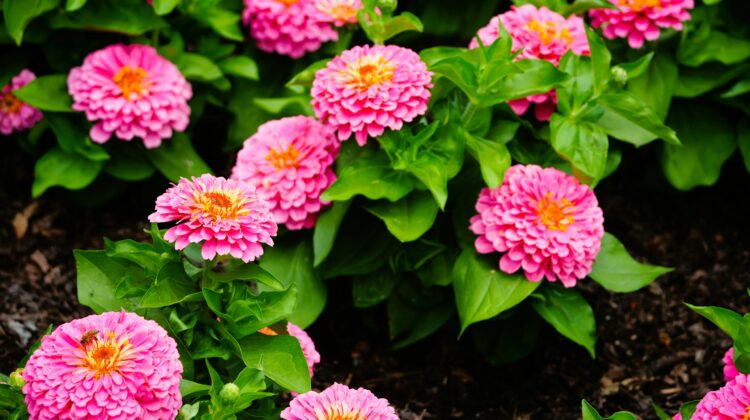
A beautiful garden brings so much joy, but keeping it that way can sometimes feel like a full-time job. The truth is, garden maintenance isn’t about endless labor; it’s more about smart, consistent habits. When you understand what your garden truly needs and when, those overwhelming chores turn into a peaceful and rewarding routine. Mastering this means you spend less time working and more time enjoying the vibrant space you’ve created. It’s totally possible to have a beautiful, yet easy-to-care-for landscape, especially when you get the hang of low-maintenance gardening.
Beyond Watering: Holistic Plant Care
Watering is just one piece of taking good care of your plants. To really help them thrive, you need to think about everything around them, starting with the soil. Healthy soil is the bedrock of a healthy garden. If you regularly mix in compost or well-rotted manure, you’re adding vital nutrients and improving its structure. This helps the soil hold onto moisture in summer and drain well in winter.
Beyond the soil, pay close attention to the plants themselves. Make it a habit to walk through your garden often and check out the leaves. Are they turning yellow? Do you see spots or holes? These are often the first hints of nutrient problems or pests. Catching these early makes all the difference. Mulching is another simple but powerful trick. A two- to three-inch layer of organic mulch, like wood chips or shredded leaves, can do wonders:
- It keeps weeds down by blocking sunlight.
- It saves soil moisture, so you don’t have to water as much.
- It keeps the soil temperature steady, protecting roots from really hot or cold weather.
- It breaks down over time, adding even more good stuff to your soil.
This way of approaching plant care means you’re tackling the root cause of problems, not just the symptoms, which leads to stronger, more resilient plants.
Keeping Your Borders Neat and Tidy
Nothing makes a garden look more put-together than clean, sharp edges. When your lawn, flowerbeds, and pathways have clear borders, it creates a sense of order and stops your garden from looking messy. This is where regular trimming and pruning really shine.
Shaping hedges and shrubs not only keeps them from growing into paths or other plants, but it also encourages them to grow healthier and thicker. A neatly trimmed hedge can be a beautiful green wall, offering privacy and structure. For those crisp hedge lines, modern tools like battery-powered hedge trimmers make the job much quicker and easier than old-fashioned shears, and you don’t have to deal with cords. Regularly deadheading, which just means snipping off old flowers, also works wonders. It stops plants from putting energy into making seeds and encourages them to produce more blooms, keeping your garden colorful for longer. And don’t forget the ground level. Using a spade or edger to create a sharp line between your lawn and garden beds instantly makes your whole outdoor space look better.
Smart Tools for Effortless Upkeep
Having the right tools can totally change a day of frustrating work into a pleasant afternoon of gardening. If you invest in a few good-quality pieces of equipment, you’ll save time, effort, and even avoid a sore back. While a powerful trimmer is great for big jobs, your everyday tasks really depend on good hand tools.
Look for ergonomic designs in your trowels, hand forks, and pruners. Handles that feel comfortable in your hand and reduce wrist strain make things like weeding and planting much more enjoyable. A high-quality pair of bypass pruners that you keep sharp will make clean cuts on branches, which is healthier for your plants and easier for you.
Beyond hand tools, think about systems that can automate repetitive chores. A drip irrigation or soaker hose system, for example, sends water right to your plants’ roots with very little waste or effort. You can set it on a timer and pretty much forget about it. A sturdy, well-balanced wheelbarrow is another must-have; it turns moving mulch, compost, or soil from a huge project into a manageable task. These essential gardening tips often show that the right tool isn’t a luxury; it’s a key part of keeping things running smoothly.
Designing for Low Maintenance
The easiest way to cut down on your workload is to design a garden that works with you, not against you. Smart planning from the start can seriously reduce the time you spend on upkeep later. One of the best strategies is to pick the right plant for the right spot. Choose plants that are a good fit for your local climate, soil type, and how much sunlight a specific area gets. Native plants are often a fantastic choice because they’re already used to your region’s conditions and usually need less water and fuss.
Grouping plants with similar needs is another smart move. Put all your drought-tolerant plants in one area and those that like more moisture in another. This simplifies your watering routine and makes sure every plant gets what it needs. To fight weeds, think about groundcover. If you plant low-growing, spreading plants densely in your flowerbeds, they can create a living mulch that effectively smothers most weeds.
Finally, consider the layout itself. Design wide, clear pathways that are easy to navigate with a wheelbarrow or mower. When maintaining large gardens, simplifying the structure with large, sweeping beds instead of small, intricate ones can make mowing and edging much faster.
Seasonal Chores and Planning
A garden is always changing, and your maintenance tasks should change with the seasons. Thinking about your garden in terms of a yearly cycle helps you stay on top of chores and get ready for what’s next.
- Spring: This is a time for new beginnings and getting ready. As the ground thaws, it’s time to clean up any fallen leaves and branches you missed in the fall. It’s also the perfect time to add a fresh layer of compost to your beds, giving plants the nutrients they need for a strong start. You can divide overgrown perennials, edge your garden beds, and put down a fresh layer of mulch.
- Summer: The focus shifts to active care. Regular weeding is important before they have a chance to spread seeds. Consistent watering, especially when it’s dry, keeps plants from getting stressed. Deadheading flowers will encourage more blooms and keep the garden looking lively.
- Fall: As the growing season winds down, it’s time to clean up and get ready for winter. Rake leaves off the lawn and add them to your compost pile. Cut back perennials that have died back. This is also the perfect time to plant spring-flowering bulbs like tulips and daffodils.
- Winter: For most of us, winter is a time for rest and planning. While the garden sleeps, you can clean and sharpen your tools, look back at what worked and what didn’t in your garden, and start browsing seed catalogs to dream up next year’s design.
By breaking down the year this way, you spread the work out into manageable chunks, making the whole process feel much less overwhelming.
A well-kept garden brings constant satisfaction. When you change your mindset from just checking off chores to embracing a seasonal rhythm, the work itself becomes part of the reward.