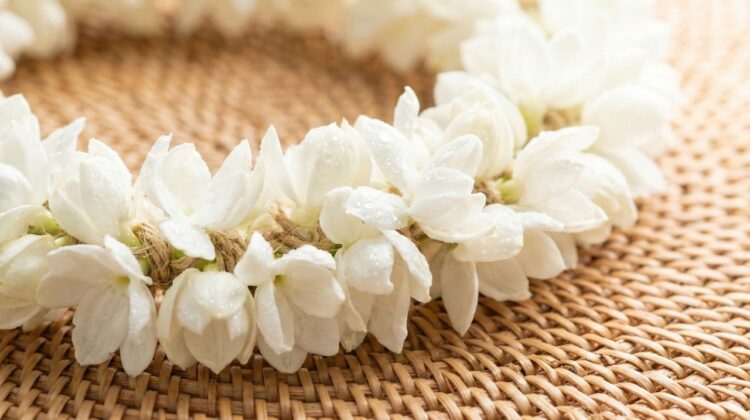
Some flowers shout for attention with massive, colorful petals. Others, like the Sampaguita, whisper—but their whisper is so enchanting it can capture an entire nation.
If you have ever caught a whiff of a sweet, heady fragrance on a tropical breeze, you might have met the Sampaguita. Scientifically known as Jasminum sambac, this tiny, star-shaped white blossom is the National Flower of the Philippines. But it is far more than just a national emblem.
For millions of people, the scent of Sampaguita is the scent of home. It is the scent of a garland hung around the neck of a loved one returning from a long journey. It is the scent of prayer, of celebration, and of a promise kept.
Here at Morflora, we love flowers that prove “less is more.” The Sampaguita is the ultimate proof that you don’t need to be big to be powerful. Let’s unravel the tragic legend and the divine aura of this tropical treasure.
In this article, we'll cover
The Botanical Identity: The “Arabian Jasmine”
Although it is deeply tied to Southeast Asian culture, the Sampaguita is often called “Arabian Jasmine” in the West. It belongs to the Olive family (Oleaceae). Unlike the common vine jasmine that covers fences in the US, the Sampaguita is a shrub.
Its flowers are distinct: they are small, waxy, and pure white. They open at night and close in the morning, releasing their most potent fragrance under the moonlight. This nocturnal blooming habit adds to their mystique, suggesting that true beauty often works in the quiet of the dark.
The Legend: “Sumpa Kita” (I Promise You)
You cannot understand the Sampaguita without understanding the heartbreaking legend behind its name. This story is what gives the flower its deep connection to fidelity and eternal love.
According to Philippine folklore, there were once two lovers: a beautiful princess named Lakambini and a brave warrior named Lakan Galing. Before Lakan Galing left for a dangerous battle to protect their kingdom, the two lovers climbed a hill overlooking the sea.
With tears in her eyes, Lakambini embraced him and whispered, “Sumpa kita” (I promise you). It was a vow of eternal love and waiting.
Tragically, Lakan Galing never returned. Lakambini waited on that hill every day, weeping for her lost love, until she eventually died of a broken heart. Years later, a small plant with fragrant white flowers grew on the spot where she was buried. The locals, remembering her vow, named the flower “Sampaguita”—a derivative of her final words, “Sumpa kita.”
Symbolism and Native Values
Because of this legend, the Sampaguita carries profound symbolism that touches on the core values of Filipino culture and universal human emotion.
1. Eternal Devotion and Fidelity
Just like the princess who waited until her last breath, the Sampaguita symbolizes a love that does not waver. It is often used in weddings to represent the couple’s vow to remain faithful through all of life’s battles.
2. Purity and Simplicity
The flower is always white—never pink, never yellow. In color psychology, white is the color of absolute purity. The Sampaguita represents a heart that is untainted and a spirit that is humble. It teaches us the value of Simplicity: you don’t need to be flashy to be valuable. Your essence (your scent/character) is what matters.
3. Resilience
The Sampaguita shrub is tough. It thrives in the sweltering tropical heat and blooms year-round. It symbolizes the resilience of the human spirit—the ability to keep blooming and spreading sweetness even when the climate is harsh.
The “Scentscaping” Style: Decorating with Aroma
As Shiny Aura, I often talk about visual decor, but today I want to talk about Scentscaping—designing your home with smell.
The Sampaguita has one of the most intoxicating perfumes in the plant kingdom. It is sweet, heavy, and slightly exotic. Here is how to incorporate this “tropical minimalism” into your home aesthetic.
1. The Tropical Minimalist Nook
Sampaguita has beautiful, glossy dark green leaves that contrast perfectly with its white flowers.
- The Look: Plant a Sampaguita shrub in a Woven Seagrass Basket or a dark Glazed Ceramic Pot. Place it in a sunroom or near a bright window.
- Why it works: The organic texture of the basket complements the tropical vibe of the plant. It creates an instant “resort” feeling in your living room.
2. The Moonlight Garden
If you live in a warm climate (Zone 9-11), Sampaguita is perfect for an outdoor sensory garden.
- The Look: Plant them near your patio seating area or bedroom window.
- Why it works: Since they release their scent at night, they are perfect for evening relaxation. Imagine sitting on your patio on a warm summer night, surrounded by that sweet, stress-relieving fragrance.
3. Fresh Garlands (Lei)
Borrow a tradition from the islands. If your plant is blooming heavily, harvest the buds early in the morning. Thread them onto a string to make a small garland.
- The Look: Drape the fresh flower garland over a Buddha statue, a picture frame of a loved one, or simply place it in a shallow wooden bowl on your coffee table.
- Why it works: It’s a fleeting, biodegradable piece of decor that perfumes the entire room for 24 hours. It’s a ritual of beauty that connects you to nature.
Care Tips: How to Grow Sampaguita
Growing a tropical legend requires a little bit of attention, especially if you don’t live in the tropics.
- Sun, Sun, Sun: Sampaguita needs full sun to flower. If you grow it indoors, it needs your sunniest south-facing window or a grow light. Without enough light, you will get great leaves but no perfume.
- Humidity is Key: This is a jungle plant. It hates dry air. If you are growing it indoors in winter, keep it away from heaters. Mist it daily or place the pot on a tray of pebbles and water to increase humidity around the leaves.
- Acidic Soil: Like gardenias, Sampaguita prefers slightly acidic soil. You can use a fertilizer designed for acid-loving plants (like Azaleas) to keep the leaves deep green.
- Pruning: Don’t be afraid to cut it back! Sampaguita blooms on new wood. Pruning it after a flowering cycle will encourage new branches and, consequently, more flowers.
Final Thoughts
The Sampaguita is a reminder that the strongest promises are often whispered, not shouted. It is a flower for the romantics, the faithful, and anyone who believes that true beauty comes from within.
Whether you plant it to honor your heritage or simply to fill your home with its divine perfume, the Sampaguita is a guest that will always be welcome.
Sumpa kita (I promise you)—once you grow this flower, you will never want to be without it.