Let’s be honest: we have all been there. You walk into a garden center, captivated by the lush greenery, and confidently bring home a beautiful fern or a delicate orchid. You promise to love it, water it, and sing to it. But two weeks later? It is a brown, crispy skeleton sitting sadly on your windowsill.
It is a terrible feeling, isn’t it? It makes you believe you have a “Black Thumb”—a curse that dooms all botanical life you touch.
I am here to tell you a secret: There is no such thing as a Black Thumb. There are only the wrong plants for your lifestyle.
The truth is, many popular plants sold in stores (I’m looking at you, Fiddle Leaf Fig!) are high-maintenance divas that demand perfect humidity and precise watering schedules.
If you are a beginner, a busy professional, or a frequent traveler, you don’t need a diva. You need a survivor. You need a plant that can tolerate low light, forgetful watering, and the occasional draft.
That is why I have curated this list of 10 “Unkillable” Houseplants. These botanical warriors are tough, resilient, and forgiving. They will not judge you if you forget to water them for a week (or three). In fact, most of them prefer it. Get ready to turn that “Black Thumb” green, once and for all.
In this article, we'll cover
- 1. The Snake Plant (Sansevieria trifasciata)
- 2. The ZZ Plant (Zamioculcas zamiifolia)
- 3. Golden Pothos (Epipremnum aureum)
- 4. Spider Plant (Chlorophytum comosum)
- 5. Cast Iron Plant (Aspidistra elatior)
- 6. Aloe Vera (Aloe barbadensis miller)
- 7. Chinese Evergreen (Aglaonema)
- 8. Rubber Plant (Ficus elastica)
- 9. Jade Plant (Crassula ovata)
- 10. Peace Lily (Spathiphyllum)
1. The Snake Plant (Sansevieria trifasciata)
The Ultimate Survivor That Thrives on Neglect
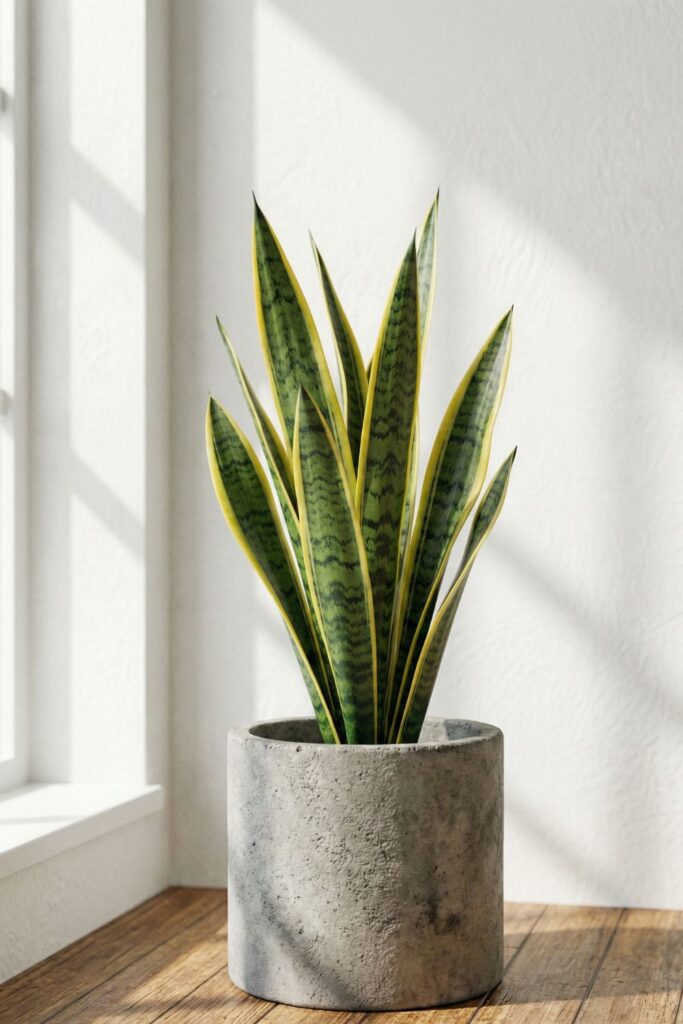
If there were an apocalypse, the cockroaches would survive, and so would the Snake Plant. Also known as “Mother-in-Law’s Tongue” because of its sharp, upright leaves, this plant is legendary for being nearly indestructible. It is the perfect entry point for anyone terrified of killing a plant.
Why is it so tough? The Snake Plant is a succulent that stores water in its thick, architectural leaves. This means it actually hates being watered frequently. You can literally ignore it for a month, go on vacation, come back, and it will look exactly the same. In fact, the only way to kill it is with kindness—overwatering will cause the roots to rot.
Beyond its toughness, the Snake Plant is a hardworking roommate. It is one of the few plants that converts CO2 into oxygen at night, making it an excellent choice for bedroom decor to improve sleep quality. It tolerates virtually any lighting condition, from the darkest corner of your hallway to a sunny window.
Shiny’s Tip: Let the soil dry out completely between waterings. If you stick your finger an inch into the soil and feel any moisture, put the watering can down and walk away!
2. The ZZ Plant (Zamioculcas zamiifolia)
The King of Low Light and High Style
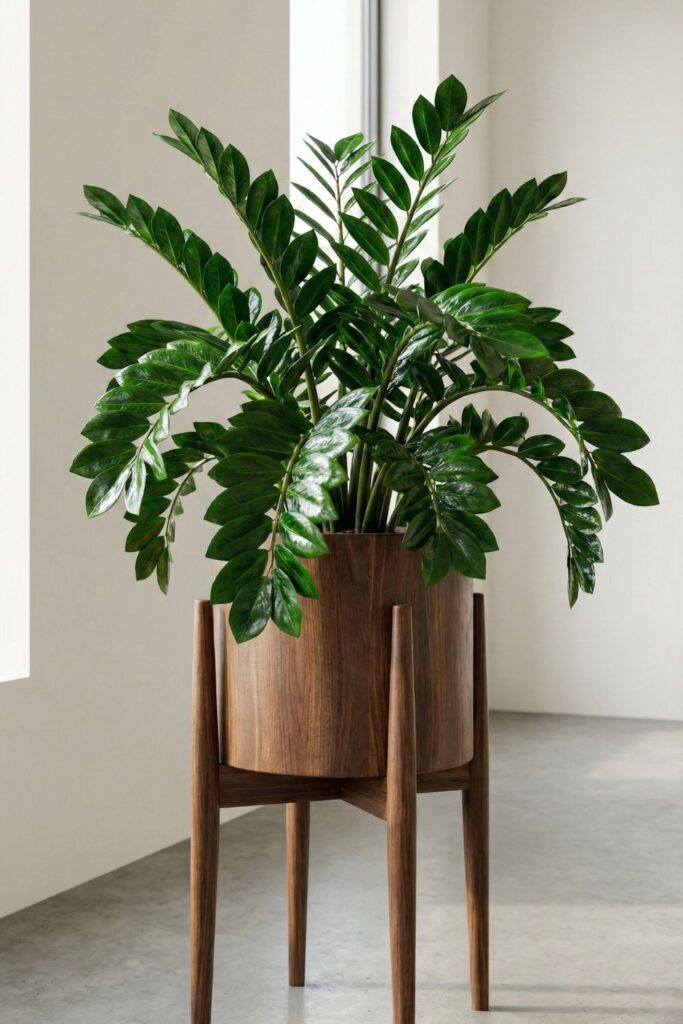
If the Snake Plant is the queen of survivors, the ZZ Plant is the king. Native to drought-prone Eastern Africa, the Zamioculcas zamiifolia (ZZ for short) has evolved to withstand long periods without a drop of rain. It grows from thick, potato-like rhizomes under the soil that store water and nutrients for emergencies.
What makes the ZZ Plant a superstar for modern homes is its ability to tolerate extremely low light. Do you have a windowless bathroom? A dim office cubicle? A basement apartment? The ZZ Plant will happily grow there. While it grows faster in bright light, it won’t die in the shade; it just hits the “pause” button.
Aesthetically, it is a stunner. Its wand-like stems are covered in oval leaves that are so glossy and waxy they look fake (people will constantly touch them to check!). It adds an instant vertical, structural element to any room without taking up too much horizontal space. Just like the Snake Plant, it prefers to be ignored. Water it only when the soil is bone dry all the way through.
3. Golden Pothos (Epipremnum aureum)
The “Devil’s Ivy” That Trails for Miles
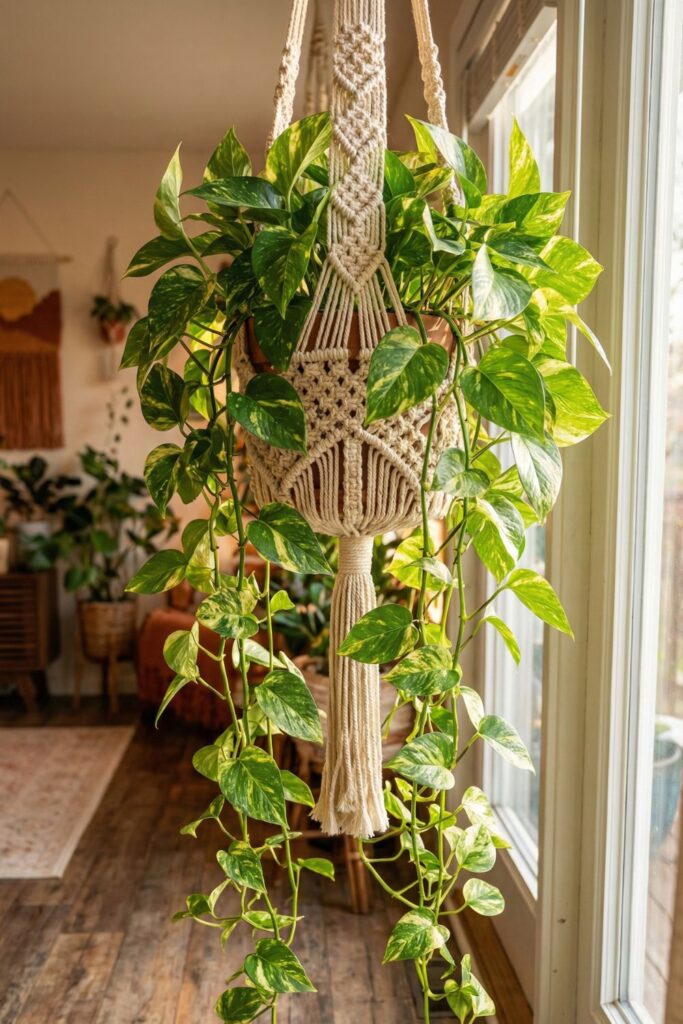
They call it “Devil’s Ivy” because it is nearly impossible to kill and stays green even in the dark. The Golden Pothos is the ultimate trailing plant for beginners who want that lush, “jungle” vibe. Its heart-shaped leaves are splashed with gold or cream variegation, adding a pop of color to neutral interiors.
This plant is incredibly communicative. Unlike succulents that suffer in silence until they turn to mush, the Pothos will tell you exactly what it needs. When it gets thirsty, its leaves will look slightly droopy and soft. Give it a good drink, and within a few hours, it will perk right back up as if nothing happened. It is very satisfying to watch!
Pothos is remarkably versatile in how you style it. You can let it trail down from a high bookshelf, hang it in a basket near a window, or train it to climb up a moss pole or along a wall using hooks. It grows fast—sometimes several feet in a single season—giving you quick gratification for your gardening efforts. It also propagates easily in water, so you can make free baby plants for your friends.
4. Spider Plant (Chlorophytum comosum)

The Retro Favorite That Makes Its Own Babies
The Spider Plant was a staple in every 1970s home, and it has made a huge comeback for a good reason. It is whimsical, wild, and incredibly easy to care for. Its long, arching leaves are usually striped green and white, adding a bright texture to any room.
What makes the Spider Plant so fun—and rewarding for beginners—is its reproductive cycle. Once the plant is happy and mature, it sends out long, thin stems that produce tiny white flowers. These flowers eventually turn into miniature baby plants (“spiderettes”) that dangle from the mother plant like spiders on a web. You can leave them hanging for a cascading look or snip them off and plant them in their own pots.
Spider Plants are adaptable to various light conditions, though they prefer bright, indirect light to keep their stripes vibrant. They enjoy slightly cooler temperatures and don’t mind if you let them dry out a bit between waterings. Just be aware that they are sensitive to fluoride in tap water, which can cause brown tips on the leaves. If you see this, try switching to distilled or rainwater.
5. Cast Iron Plant (Aspidistra elatior)
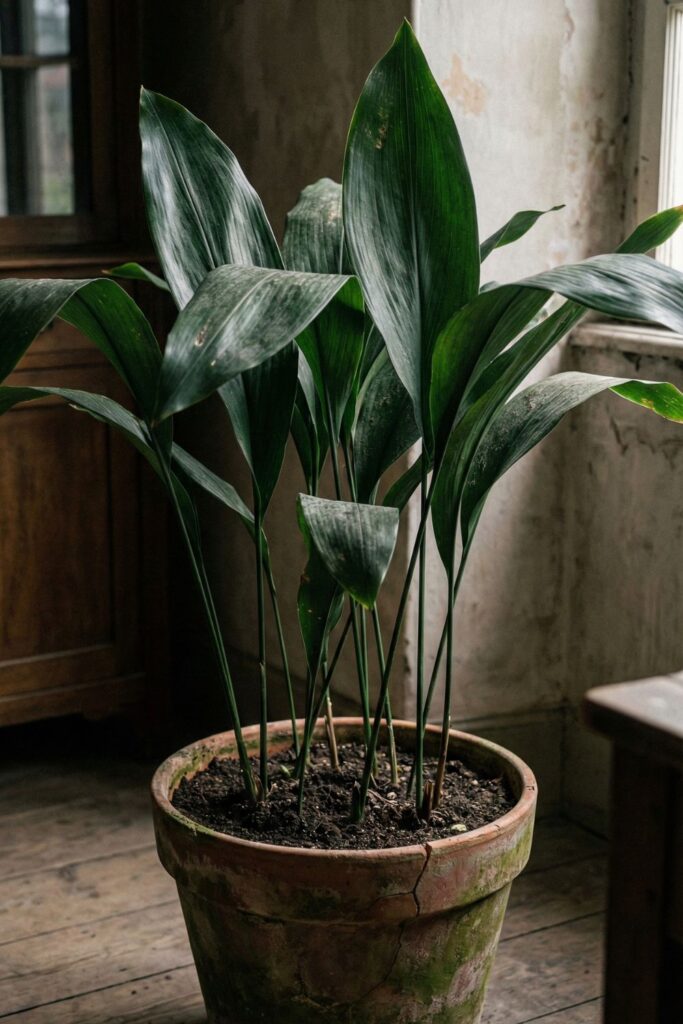
The Victorian Survivor Built of Steel
This plant earned its name, “Cast Iron Plant,” in the Victorian era because it was the only plant that could survive the fumes of gas lamps, coal smoke, and drafty, dark drawing rooms. If it could survive 19th-century London, it can definitely survive your modern apartment.
The Cast Iron Plant (Aspidistra elatior) is practically indestructible. It is immune to most pests, doesn’t care about low humidity, and can tolerate temperature fluctuations that would kill a tropical plant instantly. It grows slowly, producing tall, dark green, paddle-shaped leaves that add a touch of old-world elegance and drama.
Because it is so slow-growing, it is often a bit more expensive to buy large specimens, but think of it as a lifetime investment. It will be with you for decades. It is the perfect choice for that dark hallway or the corner behind the sofa where no sun ever reaches. It actually dislikes direct sun, which can scorch its deep green leaves. Water it moderately, but don’t stress if you forget for a few weeks; it is built to last.
6. Aloe Vera (Aloe barbadensis miller)
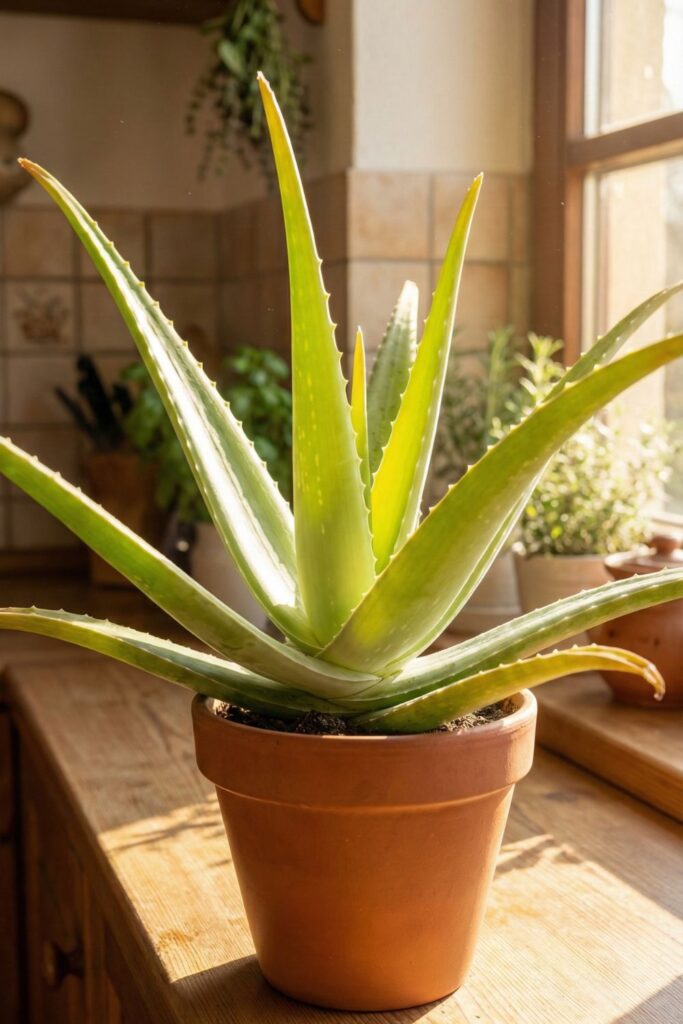
The Healing Plant for Sun-Drenched Windowsills
Aloe Vera is a plant that works double duty. Not only is it a striking succulent that looks great in a kitchen, but it is also a fully functional first-aid kit. The gel inside its thick, serrated leaves is a miracle cure for minor kitchen burns, sunburns, and dry skin. Having one on hand is like having a living pharmacy.
As a desert native, Aloe Vera craves the sun. This is the plant for that bright, south-facing windowsill where other plants might get fried. It needs hours of direct sunlight to stay happy and upright. If it doesn’t get enough light, the leaves will become long, thin, and floppy.
Watering Aloe is an exercise in restraint. Because it stores so much moisture in its gel-filled leaves, it is extremely prone to root rot if overwatered. You must let the soil dry out completely—bone dry—before watering again. In the winter, you might only need to water it once every month or two. It is truly a low-maintenance companion as long as you give it plenty of sunshine.
7. Chinese Evergreen (Aglaonema)
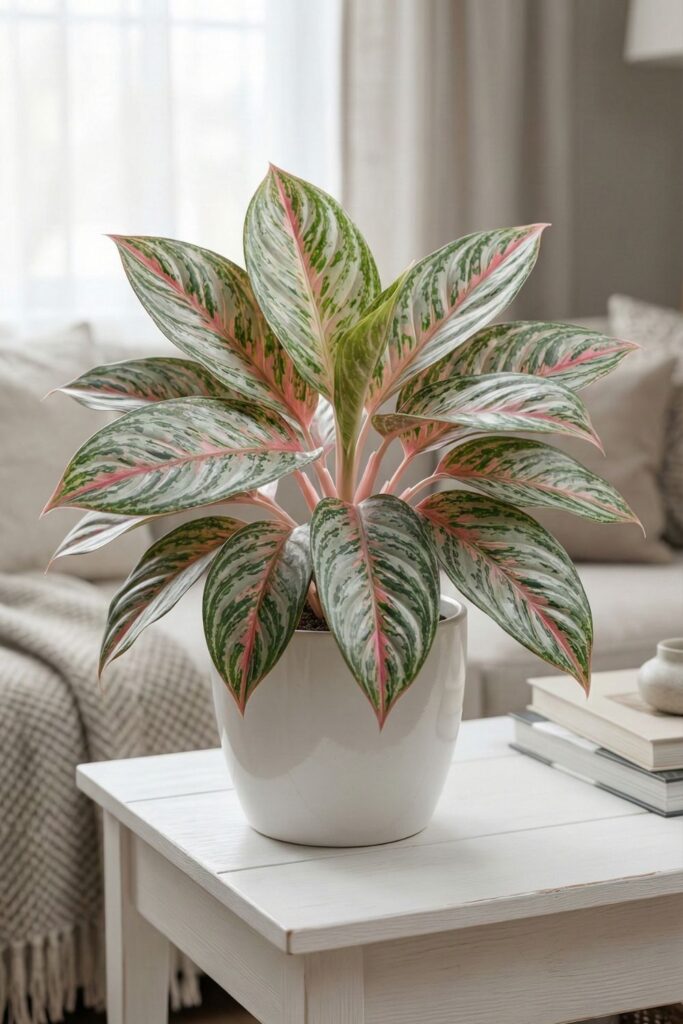
The Splash of Color for Dark Corners
Who says low-light plants have to be boring and green? The Chinese Evergreen (Aglaonema) is here to prove that you can have spectacular color even in the shade. This plant comes in a dizzying array of varieties, featuring leaves splashed with silver, white, pink, and even bright red.
It is one of the most durable foliage plants you can grow. It seems to thrive on benign neglect. While the highly variegated varieties (the pink and red ones) prefer medium light to keep their color popping, the darker green and silver varieties can tolerate surprisingly low light conditions.
The Chinese Evergreen is also forgiving when it comes to water. It prefers to stay evenly moist, but it won’t drop dead if you let it dry out occasionally. It is much more tolerant of dry indoor air than most other colorful tropicals. Just keep it away from cold drafts near air conditioning vents, as it is a tropical plant that prefers to stay warm. It’s the perfect “pop of color” for a beige office or a dim bedroom.
8. Rubber Plant (Ficus elastica)
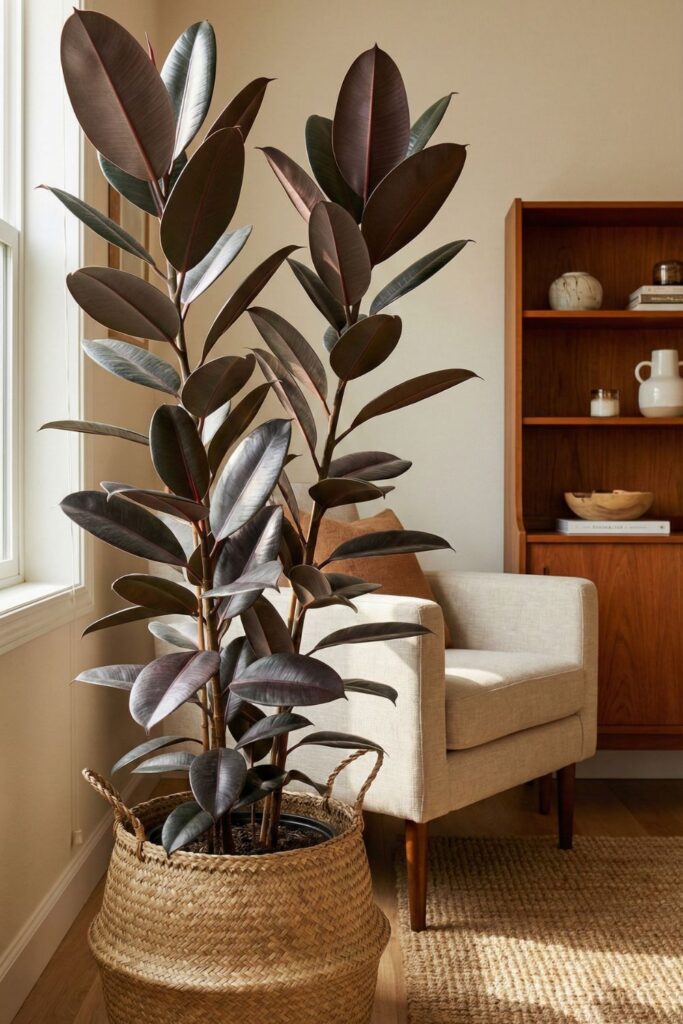
The Dramatic Tree for Instant Impact
If you want a plant that makes a statement—a “big boy” plant—look no further than the Rubber Plant. With its massive, thick, glossy leaves that can be dark burgundy, almost black, or variegated with cream and pink (the ‘Tineke’ variety), it adds instant architectural drama and height to a room.
While it is technically a Ficus (cousin to the finicky Fiddle Leaf Fig), the Rubber Plant is the tough, easy-going sibling. It is much less likely to drop leaves if you look at it the wrong way. In the wild, these grow into massive trees, so indoors, they can easily reach 6 to 8 feet tall, filling an empty corner perfectly.
Rubber Plants prefer bright, indirect light. They can tolerate some morning sun, but harsh afternoon rays can scorch their leaves. Regarding water, they like to be kept moist during the growing season (summer) but need to dry out slightly in the winter. Dust is their biggest enemy—because the leaves are so broad, they collect dust which blocks sunlight. Wipe them down gently with a damp cloth once a month to keep them shiny and photosynthesizing efficiently.
9. Jade Plant (Crassula ovata)

The Miniature Tree of Good Luck
The Jade Plant is a succulent that thinks it’s a tree. Over time, it develops a thick, woody trunk and branches, making it look like a miniature bonsai without all the complicated pruning and wiring. In Feng Shui, it is considered a symbol of good luck and prosperity, often called the “Money Plant.”
This is a plant for the long haul. Jade Plants live for decades, often being passed down from generation to generation. As succulents, they store water in their plump, oval leaves. This means they are extremely drought tolerant. In fact, the most common way beginners kill Jade Plants is by fussing over them too much.
They need bright light to thrive—a sunny windowsill is ideal. If they don’t get enough sun, they will become “leggy” and stretch out, losing their compact, tree-like shape. Water them thoroughly when the soil is dry, but never let them sit in standing water. If the leaves start to wrinkle or shrivel, it’s a sign they are thirsty. Give them a drink, and they will plump right back up.
10. Peace Lily (Spathiphyllum)
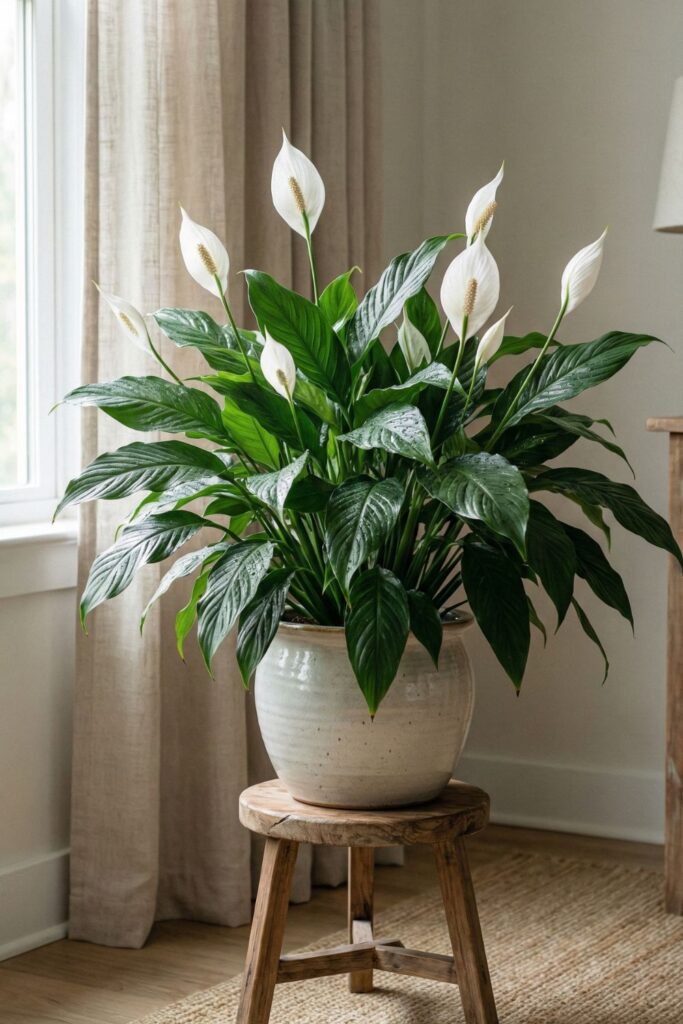
The Drama Queen That Tells You What She Needs
I included the Peace Lily on this list not because it thrives on neglect like the Snake Plant, but because it is the best “communicator” in the plant world. It is the perfect teacher for a beginner learning how to water.
When a Peace Lily is thirsty, it doesn’t suffer in silence. It dramatically droops all its leaves, looking completely dead and tragic. It’s a full-on theatrical performance. But the moment you water it, it miraculously resurrects within an hour, standing tall and perky again. This immediate feedback loop helps you learn exactly how often to water your plants.
Beyond its dramatic flair, the Peace Lily is beloved for its ability to bloom in low light. It produces elegant white “flowers” (actually modified leaves called spathes) that look like white flags of peace. It is also an air-purifying powerhouse. Keep the soil consistently moist (but not soggy), and it will reward you with lush greenery and blooms year-round. Just keep it away from pets, as it can be toxic if chewed on.
Conclusion
Becoming a “plant parent” doesn’t have to be stressful, and it certainly doesn’t require a horticulture degree. The secret is simply choosing the right roommates.
By starting with these 10 unkillable varieties, you are setting yourself up for success. These plants are forgiving teachers. They will tolerate your mistakes, survive your vacations, and still greet you with fresh green leaves every morning. So go ahead, pick one (or three!) from this list, and watch your black thumb fade away. Your indoor jungle awaits!
Happy planting,
Shiny Aura Your Garden’s Best Friend.